Stop Leaks and Structural Damage Early
Aldos Pool Plastering handles pool repairs that address cracks, leaks, and surface deterioration in Houston.
A small crack in your pool shell can turn into a leak that wastes thousands of gallons of water and damages the surrounding soil. In Houston, where ground movement and heat cycles put stress on pool structures, ignoring minor damage often leads to costly repairs down the line. You may notice your water level dropping faster than usual or wet spots in the yard near the pool.
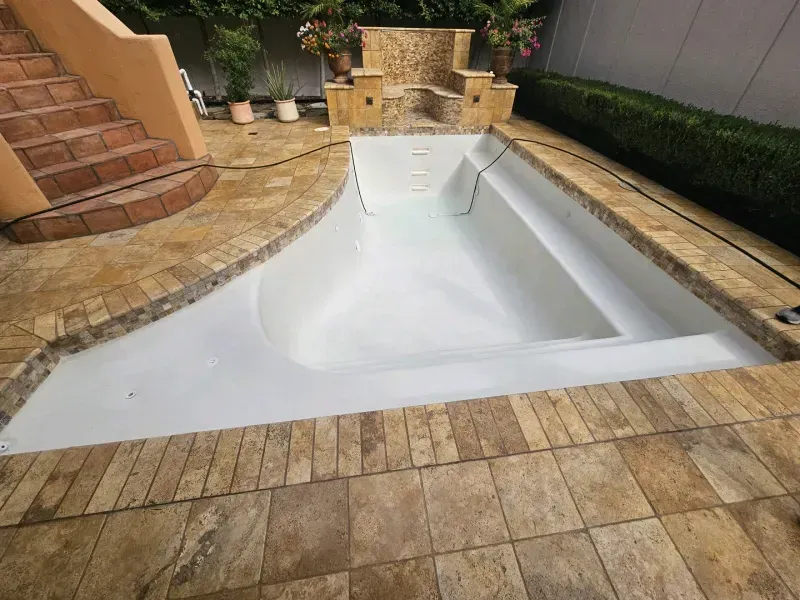
Aldos Pool Plastering evaluates the source of leaks and structural issues, then completes repairs designed to prevent further deterioration. We address cracks in the shell, fix plumbing leaks, and reinforce areas where the pool surface has weakened. Repairs are often integrated with resurfacing or remodeling projects to restore both function and appearance.
If your pool shows signs of leaking or structural damage, book a repair assessment with Aldos Pool Plastering in Houston.
How Repairs Prevent Long-Term Pool Deterioration
We start by performing a pressure test or dye test to locate leaks in your pool shell or plumbing in Houston. Once identified, we drain the pool if necessary, clean and prep the damaged area, and apply structural repair compounds or epoxy injections. Larger cracks may require cutting out a section and patching with reinforced material.
After repairs, the pool holds water without constant refilling and the surrounding ground stays dry. Cracks no longer widen during temperature swings, and the repaired areas blend with the existing surface. You can maintain normal water levels without worrying about hidden leaks undermining the pool structure.
Pool repairs work best when completed before damage spreads to adjacent areas. We do not apply surface patches over active leaks or structural shifts, as those require deeper intervention. If your pool has multiple cracks or widespread surface failure, replastering or renovation may be more effective than isolated repairs.
Homeowners in Houston often ask how to tell if a pool is leaking, how long repairs take, and whether repaired areas will leak again later.
Common Concerns Homeowners Have About Pool Repairs
Aldos Pool Plastering works with homeowners throughout Houston to address pool repairs before they escalate into larger structural problems. If you suspect a leak or notice cracks forming in your pool shell, get in touch to schedule a repair inspection and estimate.